


Milwaukee Housing: An Environmental Health Impact Statement

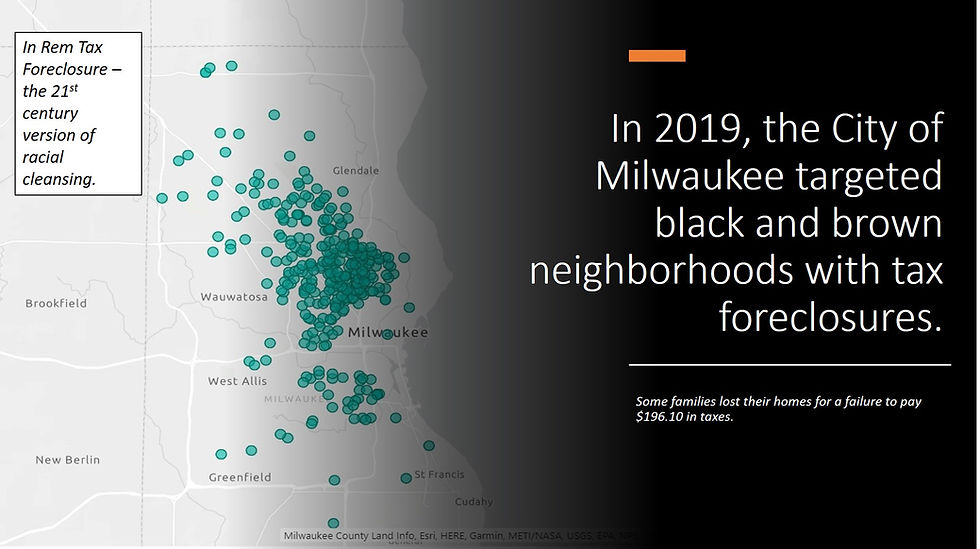
Dilapidated Buildings & Community Health — Milwaukee, Wisconsin: Milwaukee consistently ranks among the most segregated metropolitan areas in the United States, and this segregation is reflected in uneven housing conditions and concentrated vacancy.

In neighborhoods such as 53206 and along the North Teutonia Avenue corridor, long-term disinvestment has resulted in clusters of vacant and structurally deteriorated buildings, many of which have remained unoccupied for over a decade.

According to data from the City of Milwaukee Department of Neighborhood Services and U.S. Census Bureau:
Thousands of residential properties in Milwaukee experience chronic vacancy or code violations each year
Majority-Black neighborhoods experience significantly higher rates of housing deterioration
Older housing stock (pre-1978) increases the likelihood of lead-based paint exposure
Environmental Health Hazards
Dilapidated structures act as environmental hazard hubs, producing overlapping risks:
Indoor & Outdoor Air Quality
Water intrusion leads to mold growth, releasing spores that travel into neighboring homes and worsen respiratory conditions.
Lead & Toxic Dust Exposure
Peeling paint and crumbling materials generate lead-contaminated dust, especially dangerous for children in Milwaukee’s older housing stock.
Pest Infestation & Disease Spread
Vacant buildings attract rodents and insects, increasing exposure to asthma triggers and infectious diseases.
Soil & Water Contamination
Building decay contributes to contaminated runoff and soil, impacting nearby yards, gardens, and stormwater systems.
Public Health Impacts (Milwaukee Data)
The environmental conditions created by dilapidated structures directly correlate with documented health disparities:
The City of Milwaukee Health Department reports that:
Childhood asthma hospitalization rates in Milwaukee are 2–3 times higher in predominantly Black neighborhoods
Lead poisoning disproportionately affects children in older housing, with thousands of cases identified over time
Data from the Wisconsin Department of Health Services shows:
Lead exposure remains a persistent environmental health issue in Milwaukee County
Environmental conditions are a major driver of health inequities across race and income
These outcomes are not random—they are directly tied to housing quality and environmental exposure.
Economic & Community Impact
Dilapidated properties also impose measurable economic harm:
Depressed property values across entire blocks
Increased municipal costs for code enforcement, fire response, and demolition
Barriers to reinvestment and small business growth
Loss of safe, usable community space
The result is a cycle of disinvestment, where environmental hazards reinforce economic instability.
Strategic Intervention Opportunity
Targeted building stabilization and clean energy redevelopment—such as the Resilient Roots Milwaukee model—provide a direct environmental health intervention:
Stabilizing building envelopes eliminates moisture intrusion, mold, and structural hazards
Lead-safe renovation practices reduce long-term exposure risks
Solar and electrification reduce energy burden and improve indoor air quality
Active occupancy and community use eliminate vacancy-driven hazards
Next Stepts
Dilapidated buildings in Milwaukee are not isolated structural issues—they are drivers of environmental health disparities. Addressing them through strategic rehabilitation and clean energy investment is a public health solution, an economic development strategy, and a climate justice intervention.
Investment in these properties—particularly along corridors like North Teutonia Avenue—represents an opportunity to transform environmental risk into community resilience while directly improving health outcomes for Milwaukee residents.
Comments